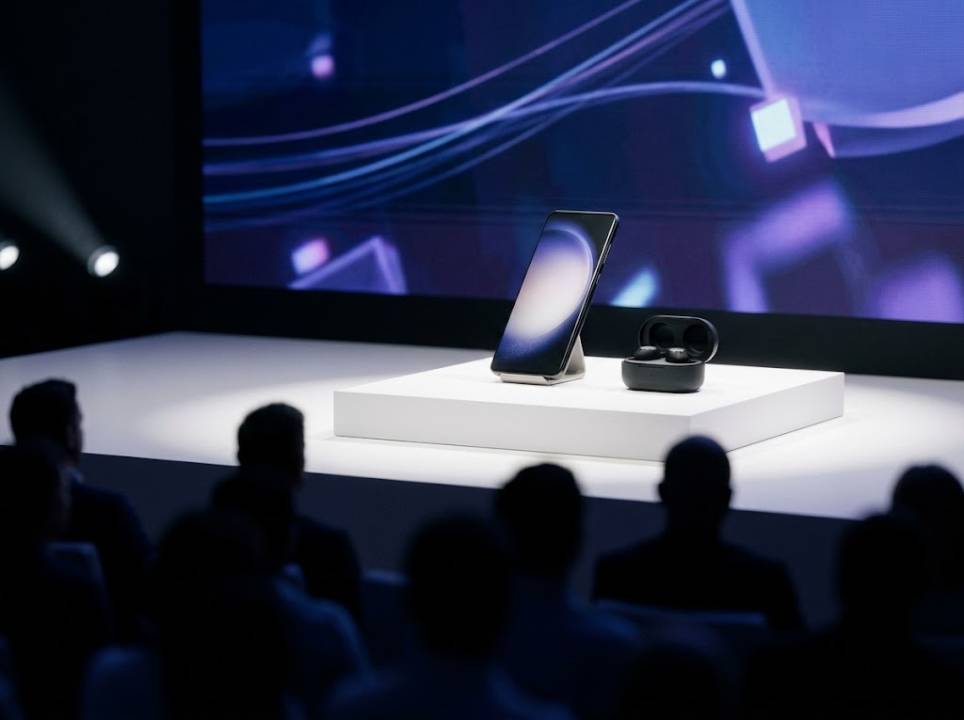
When a major electronics brand unveils a new phone, smartwatch or pair of earbuds, the launch rarely happens in one country. Product pages go live in dozens of markets within minutes of the keynote. Packaging in stores from Madrid to Seoul carries text in the local language. The companion app updates overnight with new menus, and support articles appear in every major language.
For consumers, it feels effortless. For the teams behind it, it is one of the most complex parts of any product launch.
Everything needs a language version
A modern gadget comes with far more text than most people realise. There is the user interface on the device itself, the companion app, the setup wizard, the quick start guide in the box, safety and regulatory notices, the online store, marketing campaigns, support documentation and customer service scripts. Each of these must be translated, adapted and tested before launch day.
Some content is short but tricky. A button label may have space for only twelve characters, yet German or Finnish translations are often much longer than English. Other content, such as regulatory text, must follow strict legal wording in each country.
The central role of a TMS
No global brand manages this with spreadsheets. Large electronics companies rely on a translation management system that connects to their code repositories, content management systems and design tools. When developers add a new string to the app, it flows automatically into the translation workflow. When translators finish, the text returns to the build without anyone copying and pasting.
- Strings from apps and firmware are synchronised continuously.
- Marketing copy is routed to specialists in each market.
- Glossaries ensure feature names stay consistent across languages.
- Screenshots and context help translators understand where text appears.
- Dashboards show which languages are ready for release.
The goal is simple: no market should wait for its language version.
Translators with the right tools
The linguists behind these launches work in specialised software. A modern cat tool shows the source text, previous translations, approved terminology and character limits side by side. It warns the translator if a string is too long for the button or if a placeholder for a number or name has been deleted by mistake.
Translation memory is especially valuable for gadget brands. Many sentences repeat from one product generation to the next: battery warnings, charging instructions, privacy notices. Reusing approved translations saves time and keeps wording consistent across the product range.
Technical standards behind the scenes
Supporting many languages is not only a translation question. Software must handle different scripts, right-to-left languages like Arabic and Hebrew, complex characters in Chinese and Japanese, and different formats for dates, numbers and currencies. Engineers follow guidance from the W3C Internationalization Activity and rely on standards maintained by the Unicode Consortium to make sure text displays correctly everywhere.
This groundwork, often called internationalisation, happens long before translators see a single word. Without it, even perfect translations would appear as broken characters on screen.
Regulatory documents and paperwork
Electronics must meet safety, radio and environmental rules in each market. Declarations of conformity, safety sheets and warranty terms need precise translations, and some authorities require official versions. France, for example, has strict rules on the use of French in consumer information and commercial documents. Brands therefore work with providers of french document translation services to prepare packaging text, manuals and legal notices that comply with local requirements.
Testing in every language
Before launch, localisation testers check the product in each language. They look for truncated text, wrong date formats, untranslated strings, awkward phrasing and culturally inappropriate images. A menu that looks perfect in English might overflow in Portuguese or display question marks in Thai if a font is missing.
Testers often work with pre-release devices under strict confidentiality. Their feedback goes back into the translation system, where fixes are made and pushed to the next build.
Marketing adapts, not just translates
Launch campaigns are usually adapted rather than translated word for word. A playful slogan in English may not work in Japanese or German. Local marketing teams and copywriters rewrite headlines, choose different imagery and adjust the message to what matters most in their market, whether that is camera quality, battery life or price.
Lessons for smaller tech companies
- Plan for multiple languages from the first line of code.
- Keep interface text short and avoid hard-coded strings.
- Build a glossary of product and feature names early.
- Use a translation management system as soon as you have more than two languages.
- Test each language on real devices before release.
Why it matters to buyers
Most people never think about localisation until something goes wrong: a confusing menu, a clumsy instruction or a missing language. When it works well, the product simply feels made for them. That feeling is the result of months of careful work by engineers, translators and testers around the world, all aiming for the same moment when the keynote ends and the launch goes live everywhere at once.